Your Child Is In Imminent Danger! Preventing Childhood Poisoning
Childhood poisoning is a very real danger to our children. Little people are curious about the world about them; they want to find out about everything, and one of their favorite exploratory methods is taste. Small children have no concept of poisons that cause death. That’s why it’s our responsibility as parents to guard our little ones against poisoning.
Preventing Childhood Poisoning
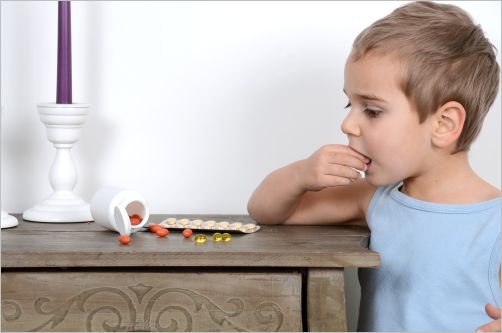
You can prevent childhood poisoning by…
• Keeping all bleach and household cleaners locked in a child-safe cabinet
• Keeping iron containing vitamins and medicines in child safe containers, in a child-safe cabinet
• Keeping all toxic substances in their original labeled containers
• Never leaving around anything that could harm your child if swallowed.
• Remembering alcohol is poisonous too: never leave alcohol around.
Check your kitchen, bathroom, utility room and garage for poisonous substances that may be within reach. Deal with any problems immediately.
Throw away any leftover medicines or other poisonous substances (paint, household cleaners) you don’t need anymore. Make sure that these throw-away things go straight into the trash bag as it’s ready to be tied up and taken out, not into a small rubbish bin your child might get into.
Coolant, such as is used in automobile engines, is one extremely poisonous substance many of us have in our garages. Coolant tastes mildly sweet, and just a few tablespoons of certain types of coolant can kill a child. Use
The alcohol in mouthwash, cologne or other personal hygiene products can kill a child.
Signs Your Child May Have Ingested Poison
If you see an open or spilled bottle of medicine or some other poisonous substance, you should immediately suspect poisoning. You’ll know for sure your child has been poisoned if your child’s breath smells of the toxic substance, or if you see a bit of the substance around his mouth—or a chemical burn.
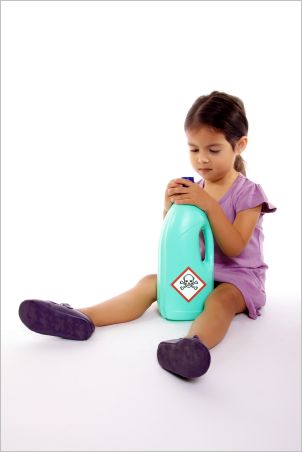
Other signs of poisoning include your child losing consciousness, falling asleep or becoming very sleepy at an unusual time, or your child being unable to follow you with his eyes.
If Your Child Has Ingested Poison
Never use a ‘wait and see’ approach if your child has ingested poison—minutes can make the difference between life and death.
If your child is unconscious, call 911 (in the United States) or your local emergency number right away.
If your child has ingested a well-labeled household cleaner, read the warnings on the instructions on the label. Then call your posion control center.
For any other poisonous substance, call your poison control center. In the United States this number is 1-800-222-1222. It should be saved on your phone; hopefully you will never need it, but if you do need it, you don’t want to waste time looking for it.
If you know what your child took, have the bottle or container with you when you call. This will help you to give the poison control center staff the information they need to help you. The poison control center staff will walk you through the situation and the emergency response you need to take to help your child. Different poisons need different responses.
New! Comments
Have your say about what you just read! Leave me a comment in the box below.